Dionne L. Reynolds

  • Home
  • About Me
  • MSUrbanSTEM
    • Amazing STEM
    • ImagineIT >
      • Phase 1 I - Image
      • Phase 2 The Big Idea
      • Phase 3 Mathematical Connections
      • Phase 4 ImagineIt
      • Phase 5 Conferencing
      • Phase 6 - Imagine-It Update
      • Phase 7 Timeline >
        • Imagine-It Up-Date
    • Imagine _ It Final Up Date
    • 5 Year Plan
    • Leadership
    • Deep Play Groups
    • F2F Artifacts
    • Reflections >
      • Summer
  • Home
  • About Me
  • MSUrbanSTEM
    • Amazing STEM
    • ImagineIT >
      • Phase 1 I - Image
      • Phase 2 The Big Idea
      • Phase 3 Mathematical Connections
      • Phase 4 ImagineIt
      • Phase 5 Conferencing
      • Phase 6 - Imagine-It Update
      • Phase 7 Timeline >
        • Imagine-It Up-Date
    • Imagine _ It Final Up Date
    • 5 Year Plan
    • Leadership
    • Deep Play Groups
    • F2F Artifacts
    • Reflections >
      • Summer

DPG - ​Outcome 3: PD and Newsletter

Picture
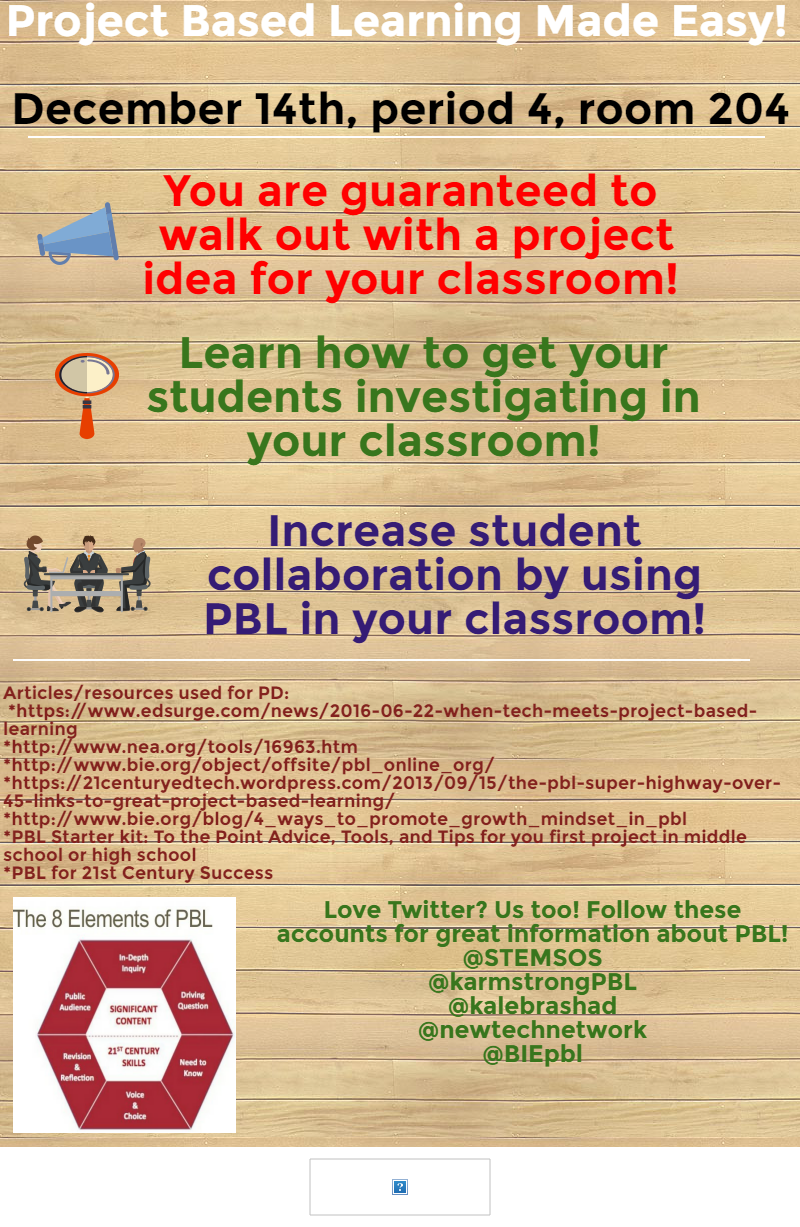
Project Based Learning Made EasyFormat: Physical session
Learning objectives:
Participants will learn about the essential elements of effective project-based learning instruction, the research that supports its effectiveness, and common misconceptions.

  • Participants will leave the session with a project idea for their classroom.
  • Participants will be provided rubrics and templates to begin implementing project-based learning in their classroom.
  1. Contrasting lessons
          a. Traditional interaction with 5th grade arithmetic.  (10 min)
          b. Project based activity on same topic -- party planning activity (20 min)  
 
    2. PBL 101
         a. Research buy-in re: PBL effectiveness (10 min)
         b.  8 essential elements (20 min)
    1. Significant content
    2. 21st century skills
    3. In-depth inquiry
    4. Driving question
    5. Need to know
    6. Voice and choice
    7. Critique and revision
    8. Public audience
  1. Misconceptions (10 min)
  2. Template hard copies (10 min)
  3. Time to brainstorm, grouped by content (30 min)
  4. Highlight favorite resources from the following list (10 min)
 
  1. Resources
  1. Books
    1. PBL Starter Kit
    2. PBL in the Elementary Grades
    3. PBL for 21st Century Success
    4. PBL Starter kit: To the Point Advice, Tools, and Tips for you first project in middle school or high school
    5. Project-Based Learning Tasks for Common Core State Standards , Grades 6 - 8
    6. Project-Based Learning: Differentiating Instruction for the 21st Century
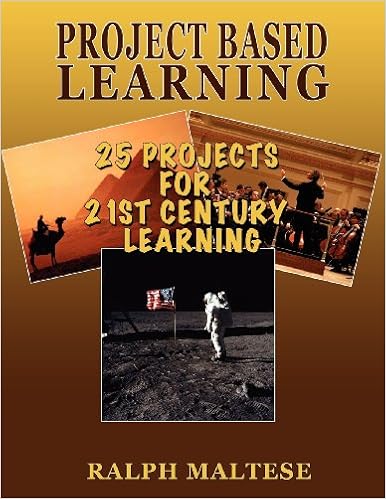
    7. Project Based Learning: 25 Projects for 21st Century Learning
 
  1. Websites
    1. Research Spotlight on Project-Based Learning
    2. PBL-online.org
    3. 4 Ways to Promote Growth Mindset in PBL
    4. When Tech Meets Project-Based Learning
    5. The PBL Super Highway… Over 45 Links To Great Project Based Learning
  2. Twitters to follow
    1. STEMSOS Model @STEMSOS
    2. Kevin Armstrong @karmstrongPBL
    3. Kaleb Rashad @kalebrashad
    4. @newtechnetwork
    5. @BIEpbl
    6. @TCEA
    7. Liam Bayer @liamBIE
    8. Project Lead the Way @PLTWorg


DPG Outcome 2:
​Book Hangout on  Air

  My deep play group and I read the book: PBL Starter Kit by John Larmar, David Ross and John R. Mergendoller, PHD.  ​This book is very in-lightning and provided good insight to needed ideas about PBL.  Reading this book pretty much helps a new comer to design a project that will engage students and provide ideas for individual and group accountability. 

Deep Play: Tinker Tale Take 2

This is the check in on the Tinker Tale .  As I move through the school year, I am trying to get as much information as I can about PBL. To that end, my group and I have decided to read "PBL Starter Kit" by Buck Institute For Education. This is a great book for any one using PBL for the  first time. The book is a step by step guide to designing a project that will be helpful and interesting for you students. 

Deep Play: Tinker Tale Take 1

Powered by Create your own unique website with customizable templates.